Home | blog
Air Pollution in Dhaka: A Growing Public Health Crisis.
Published: 2024-09-28
Updated: 2025-05-06
Collected
Air Pollution in Dhaka: A Growing Public Health Crisis
Air pollution is among the most critical anthropogenic environmental challenges facing modern urban societies. It refers to a condition in which the atmosphere contains various substances—either naturally occurring or anthropogenic—at concentrations significantly above their ambient levels, thereby causing measurable adverse effects on humans, animals, vegetation, and materials. These substances can exist as gases, aerosols, or particulate matter (PM), and include both harmful and inert compounds. However, environmental and health concerns primarily focus on those substances that produce demonstrable negative impacts.
The deterioration of air quality arises from a combination of natural processes, such as wind-blown dust, and human-induced activities. In Bangladesh, two dominant sources of air pollution are vehicular emissions and industrial discharges. Air pollution has emerged as a pressing environmental issue not only in Bangladesh but across Asia. Among Bangladeshi cities, Dhaka—the capital and a hub of culture, industry, and commerce—experiences the most severe air pollution. Industrial zones surrounding the city include sectors such as ready-made garments, tanneries, jute, cement, paper and pulp, fertilizer, chemicals, and brick manufacturing. These industries, alongside increasing traffic and construction activities, contribute heavily to air contamination. Other major cities, including Chittagong, Khulna, Rajshahi, and Bogra, have comparatively fewer pollution-related health issues.
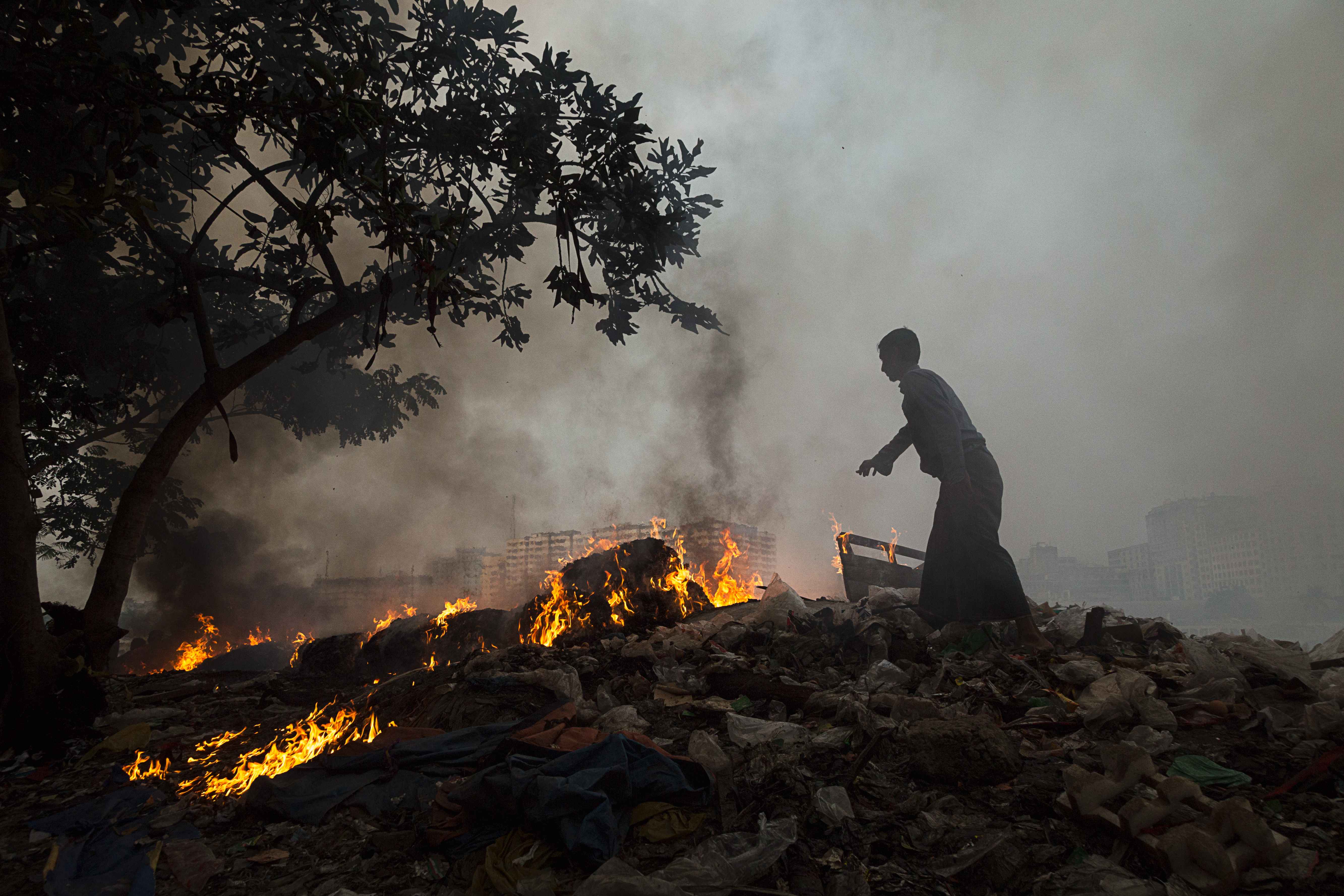
Air pollution typically stems from both point and non-point sources. Key contributors include motor vehicles, power plants, manufacturing processes, and the open burning of waste. The release of pollutants can be either accidental or intentional and may have localized but highly concentrated effects. An emerging global concern is the depletion of the ozone layer, exacerbated by certain air pollutants, which has significant implications for climate and human health.
Dhaka is rapidly becoming an uninhabitable city due to its poor air quality. Alarmingly high concentrations of carbon monoxide (CO), lead, and black carbon in the city air raise major public health concerns. According to the Bangladesh Atomic Energy Commission (BAEC) and the International Atomic Energy Agency (IAEA), lead pollution levels in Bangladesh are among the highest globally during the dry season. Rainfall during the monsoon helps reduce airborne pollutant levels temporarily, but the annual averages remain above permissible thresholds. The volume of toxic particles in the atmosphere often exceeds safe limits, posing significant health risks.
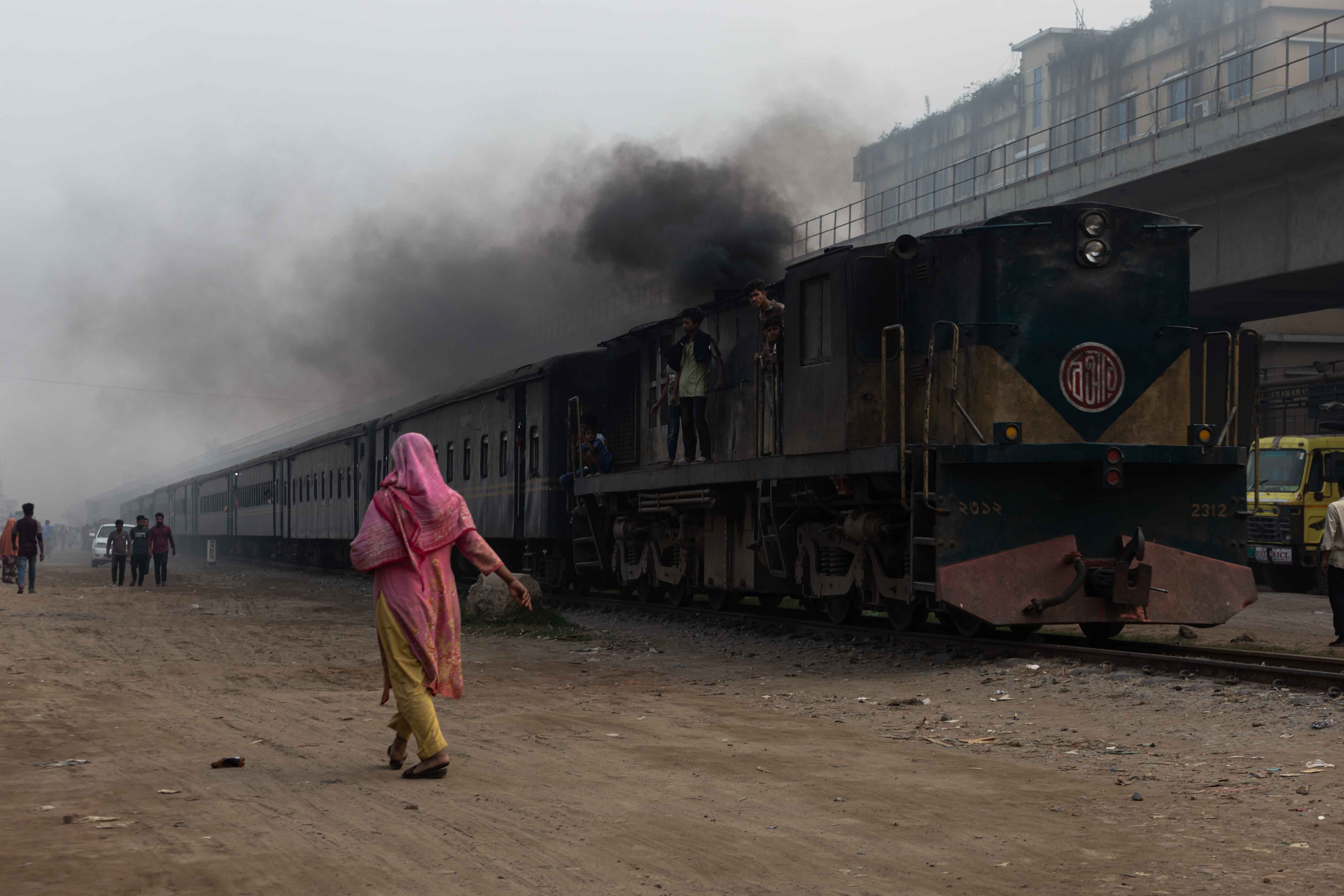
Major factors contributing to Dhaka’s air pollution include faulty, outdated diesel vehicles; a high density of brick kilns operating during the dry season; dust from unpaved roads and ongoing construction; and emissions from poorly regulated industries. The rise in motor vehicles—growing by an estimated 10–20% annually—has intensified both air pollution and traffic congestion. Industrial growth and motorization, while drivers of economic development, have come at a high environmental cost.
Dhaka's air contains elevated levels of carbon monoxide, nitrogen dioxide (NO₂), sulfur dioxide (SO₂), and fine particulate matter (PM₁₀ and PM₂.₅). These pollutants pose a serious threat to public health. PM₂.₅ and PM₁₀ particles penetrate deep into the respiratory system, leading to chronic bronchitis, reduced lung function, cardiovascular disease, and premature death. NO₂ increases the risk of respiratory infections like bronchitis and pneumonia. CO interferes with oxygen delivery to body tissues, causing headaches, impaired vision, and reduced motor function. Lead is particularly dangerous—about 75% of ingested lead accumulates in bones and tissues, causing irreversible damage to the brain and kidneys, especially in young children whose developing nervous systems are more vulnerable.
Despite the growing crisis, Bangladesh has yet to implement a comprehensive National Air Quality Standard. Existing regulations are inadequate for conducting Environmental Impact Assessments (EIA) or setting enforceable emission limits. Very few studies have been carried out to monitor air quality or estimate national pollutant emissions. As such, urgent action is required. The government should adopt and enforce stringent vehicle emission standards, upgrade fuel quality, and promote cleaner public transport. Measures to reduce fuel consumption, enhance traffic flow, and expand green infrastructure are also crucial in reducing overall emissions.
In conclusion, the worsening air quality in Dhaka is a multifaceted issue driven by urbanization, industrialization, and inadequate environmental regulation. A coordinated approach involving stricter policy enforcement, technological innovation, and public awareness is essential to mitigate the health and environmental impacts of air pollution in the city.